Month: February 2026

Onions: A Double-Edged Sword

4 Comments

Onions are a staple in kitchens around the world, renowned for their versatility and flavor-enhancing capabilities. However, like many foods, they come with their own set of advantages and disadvantages. In this post, we will explore the pros and cons of incorporating onions into your diet.

Starting with the positives, onions are packed with nutrients. They are low in calories yet rich in vitamins and minerals, including vitamin C, vitamin B6, and folate. Onions also contain antioxidants, such as quercetin, which have been linked to reduced inflammation and lower risk of chronic diseases like heart disease and diabetes. Moreover, their high fiber content aids in digestive health, promoting a healthy gut.

Additionally, onions can enhance the flavor of a variety of dishes, from soups to salads, making them a favorite among chefs and home cooks alike. Their unique taste can elevate a simple meal into something extraordinary, providing a burst of flavor without the need for excessive salt or unhealthy fats.
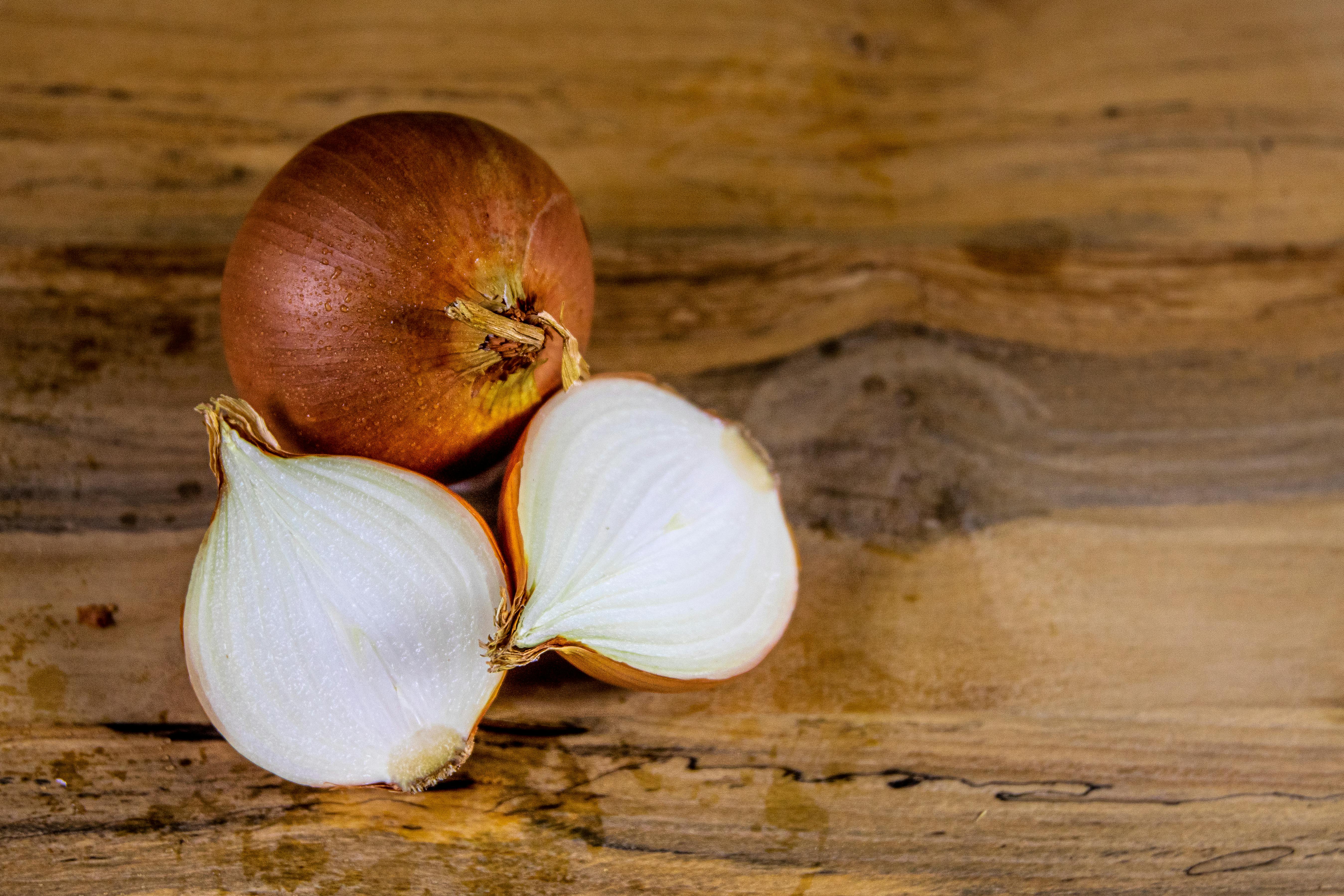
fresh onions

However, it’s not all good news when it comes to onions. One of the primary downsides is that they can cause digestive discomfort for some individuals, particularly those with irritable bowel syndrome (IBS). The fructans found in onions can lead to bloating, gas, and abdominal pain. Additionally, consuming large amounts of raw onions can result in heartburn or acid reflux, which can be uncomfortable for many.

Another consideration is the strong odor that can linger after consuming onions. This potent smell can be a turn-off for some, especially in social situations. Furthermore, cooking with onions may lead to a crying spell due to the sulfur compounds they release when cut, which can be a nuisance for many cooks.

In conclusion, while onions offer numerous health benefits and culinary advantages, they also pose some challenges that should be considered. Balancing their consumption based on individual tolerance levels is key to enjoying their benefits while minimizing any adverse effects. Whether you love them or loathe them, onions are undeniably a double-edged sword in the culinary world.


The Truth About Dairy: Analyzing the Benefits and Potential Downsides of Including Dairy in Your Diet

5 Comments

Dairy has been a staple in many cultures for centuries, providing key nutrients and flavors enjoyed by millions around the globe. However, the debate about whether dairy is beneficial or harmful to our health continues to stir strong opinions. In this post, we will delve into the various benefits and potential downsides of including dairy in your diet, helping you make an informed choice.

dairy products

One of the primary benefits of dairy is its rich nutrient profile. Dairy products are an excellent source of calcium, which is vital for strong bones and teeth. Additionally, dairy is packed with protein, vitamins A and D, and other essential nutrients that contribute to overall health. For instance, yogurt, a fermented dairy product, is known for its probiotics which aid in digestion and can enhance gut health.

However, not everyone can enjoy dairy without consequences. Lactose intolerance is a common condition where individuals are unable to properly digest lactose, the sugar found in milk. Symptoms can include bloating, gas, and diarrhea, which can be uncomfortable and disruptive. As a result, many people may opt for lactose-free alternatives, which are becoming increasingly popular in grocery stores.

Another point of contention is the potential link between dairy consumption and certain health issues. Some studies suggest that high dairy intake may be associated with an increased risk of certain cancers, such as prostate and ovarian cancers. Additionally, there are concerns about the hormones and antibiotics that may be present in non-organic dairy products, raising questions about their impact on human health.

Furthermore, the environmental impact of dairy farming cannot be overlooked. The production of dairy products contributes to greenhouse gas emissions and requires significant water and land resources. As a result, many are considering plant-based alternatives, which not only have a lower environmental footprint but can also be healthier options depending on the choice of substitute.

In conclusion, the decision to include dairy in your diet is personal and should consider individual health needs, ethical beliefs, and environmental impact. While dairy can offer numerous health benefits, it is crucial to be aware of the potential downsides as well. Always consult with a healthcare provider or nutritionist to determine what is best for your specific dietary needs.

The Benefits of Garlic

5 Comments

Garlic, a pungent bulbous plant, has been used for centuries not just as a seasoning but also as a natural remedy. Its health benefits are numerous, making it a staple in many diets across the globe. In this post, we will delve into the extraordinary properties of garlic, particularly its antibacterial and anti-inflammatory effects.

One of the most remarkable aspects of garlic is its antibacterial properties. It contains allicin, a compound that is released when garlic is crushed, chewed, or chopped. This compound has been shown to have strong antibacterial effects against a variety of pathogens, including some strains of bacteria that are resistant to antibiotics. By incorporating garlic into your diet, you can help boost your immune system and fight off infections more effectively.

Additionally, garlic is celebrated for its anti-inflammatory capabilities. Chronic inflammation is linked to numerous health issues, including heart disease, diabetes, and cancer. Studies have indicated that garlic can help reduce inflammation in the body, thus potentially lowering the risk of these serious conditions. Regular consumption of garlic may help alleviate symptoms of inflammatory diseases such as arthritis, providing relief for those who experience chronic pain.

healthy garlic

Furthermore, garlic is rich in antioxidants, which play a vital role in protecting our cells from damage caused by free radicals. This antioxidant property helps in reducing oxidative stress, which is a contributor to aging and various diseases. By adding garlic to your meals, you not only enhance the flavor but also introduce a powerful ally against cellular damage.

Incorporating garlic into your diet can be simple and delicious. Whether you add it to stir-fries, soups, or even salads, its distinct taste can elevate the dishes while providing health benefits. It’s important to note that raw garlic may offer more health benefits compared to cooked garlic, as the cooking process can diminish some of its potent compounds.

In conclusion, garlic is more than just a culinary ingredient; it is a powerful health-enhancing food. With its antibacterial and anti-inflammatory properties, along with its antioxidant benefits, garlic can play a significant role in maintaining overall health. So, the next time you’re cooking, don’t forget to add a few cloves of this remarkable bulb to your dish!

Honey: Nature’s Sweetener – Examining the Health Benefits and Risks Associated with Honey Consumption

4 Comments

Honey has long been revered as one of nature’s most delightful gifts. This golden elixir not only tantalizes our taste buds but also packs a punch when it comes to health benefits. But as with anything, moderation is key, and understanding both the benefits and potential risks associated with honey consumption can help us make informed choices.

One of the most celebrated health benefits of honey is its antimicrobial properties. Studies have shown that honey can inhibit the growth of certain bacteria and fungi, making it a natural remedy for wounds and infections. Its high viscosity allows it to create a protective barrier on the skin, aiding in the healing process. Additionally, honey is a rich source of antioxidants, which can help combat oxidative stress in the body, potentially reducing the risk of chronic diseases such as heart disease and cancer.

For those seeking a natural way to soothe a sore throat, honey can be incredibly effective. Its smooth texture coats the throat, alleviating irritation while also providing a sweet taste that can help mask bitterness in herbal teas or other remedies. Moreover, honey has been linked to improved digestion. The prebiotics found in honey can promote the growth of beneficial gut bacteria, leading to better gut health overall.

honey jar

However, it’s important to recognize that honey is still a sugar. It contains high levels of fructose and glucose, which can contribute to weight gain and other health issues if consumed in excess. Individuals with diabetes should be particularly cautious, as honey can cause spikes in blood sugar levels. Additionally, honey should never be given to infants under one year of age due to the risk of botulism, a rare but serious illness caused by bacteria that can thrive in honey.

In conclusion, honey is undoubtedly a natural sweetener with a wealth of benefits. From its antimicrobial properties to its role in improving gut health, honey can be a great addition to a balanced diet when consumed in moderation. However, as with any food, it’s crucial to understand both its advantages and its risks to make the best choices for your health.

The Power of Avocado – Understanding how avocados can improve heart health and provide essential nutrients

4 Comments

Avocados have garnered a reputation as a superfood, and with good reason. Not only are they delicious and versatile in the kitchen, but they also pack a powerful punch when it comes to heart health and essential nutrients. In this blog post, we will dive into the myriad health benefits that avocados offer, especially in promoting cardiovascular well-being.

First and foremost, avocados are rich in monounsaturated fats, particularly oleic acid, which has been linked to reducing inflammation and lowering bad cholesterol levels (LDL). Unlike saturated fats found in many animal products, monounsaturated fats help to increase good cholesterol levels (HDL) and improve overall heart health. Incorporating avocados into your diet can help reduce the risk of heart disease, making them an excellent choice for those looking to maintain a healthy lifestyle.

In addition to healthy fats, avocados are a fantastic source of essential vitamins and minerals. They are loaded with potassium, which is vital for maintaining healthy blood pressure levels. Studies have shown that a diet rich in potassium can reduce the risk of stroke and heart disease. Furthermore, avocados contain vitamins E, K, and B6, all of which play a crucial role in supporting cardiovascular health and reducing oxidative stress in the body.

green avocado

Another noteworthy aspect of avocados is their high fiber content. Fiber is essential for maintaining a healthy digestive system and can help regulate blood sugar levels. By stabilizing blood sugar, avocados can also aid in weight management, reducing the likelihood of obesity, which is a significant risk factor for heart disease.

Moreover, avocados are rich in antioxidants, including lutein and zeaxanthin, which are known to promote eye health. These antioxidants also contribute to overall well-being by combating oxidative stress, thereby protecting the body from chronic diseases.

When it comes to incorporating avocados into your diet, the options are endless. You can enjoy them sliced on toast, blended into smoothies, added to salads, or even as a creamy base for sauces. The creamy texture and mild flavor make them a perfect substitute for less healthy fats in many recipes.

In conclusion, avocados are more than just a trendy food item; they are a powerhouse of nutrients that can significantly improve heart health and overall well-being. By including avocados in your daily diet, you can enjoy their delicious taste while reaping the numerous health benefits they offer. So, why not start adding this superfood to your meals today?

Contacts

+336611510600

+336697958970

[email protected]

95, Rue de Marseille, Chevreul, 7th Arrondissement, Lyon

Our Team

Emma Johnson

Emma Johnson

Chief Financial Officer
Charlotte Martin

Charlotte Martin

Quality Manager
Ava Davis

Ava Davis

Public Relations Manager